Make it a proper region
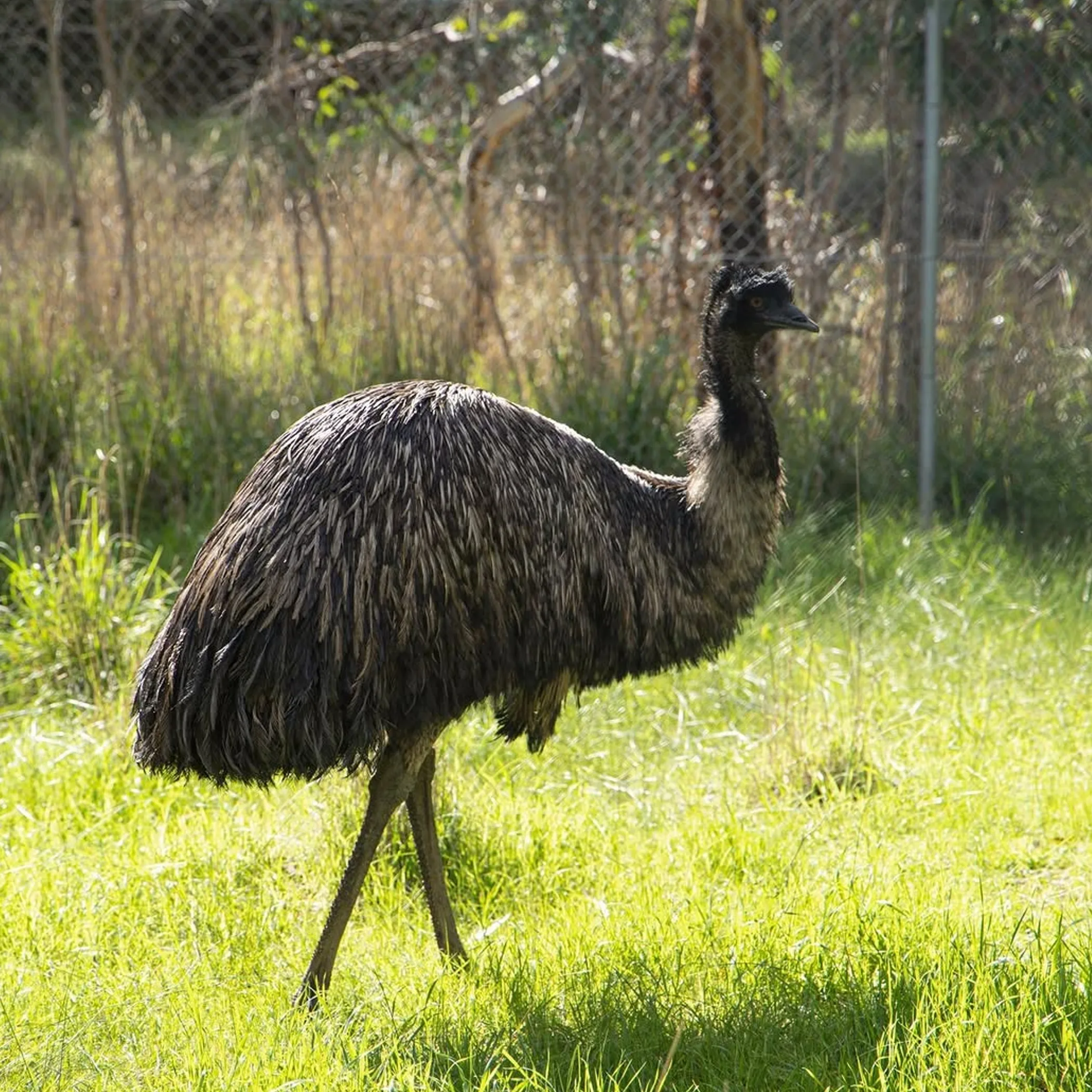
A foray into the cellar door can be made something of a day with kangaroos, koalas, wallabies, native birds and the kind of hospitality you find in the country. The more rewarding wine regions in Australia have that mix of vineyard and bushland, of reserves and farms, where you do not feel as though the wildlife is putting on a show for your benefit.
I am Evander Langston. My time in hotels and regional tourism has shown me that the finer points make for a good day out. So book the tasting, see to your return transport, put on a sensible pair of shoes and be open to being surprised. A wombat will not be concerned over your lunch reservation.
Put wildlife before convenience
There are wineries flanked by open woodland and then there are those with their manicured lawns and proximity to a busy road. You might have an easier time of it at the latter if level access or parking is a priority, but the former is where you are more likely to come across a kangaroo in the vineyards, making it ideal for a vineyard tasting with wildlife.
Part of being a responsible tourist is to accept the animals will not always oblige. They will be hard to find on a hot afternoon when they have taken to the shade; dawn and dusk are better times to look. An early booking at the cellar door after a quiet reserve is preferable to cramming six things into one day.
| Region | Good Pairing | Typical Day Shape | Best For |
|---|---|---|---|
| Yarra Valley | Healesville Sanctuary, a vineyard lunch and some wine | One cellar door and two major stops | Melbourne day-trippers, first-timers |
| Hunter Valley | Walkabout Wildlife Sanctuary and the boutiques | Vineyards post-lunch, sanctuary to start | Families from Sydney |
| Barossa Valley | Long lunch, local cheese, Shiraz and some spotting | Two tastings, a food stop and an early drive | Those with an appetite for it |
| Margaret River | Coastal wildlife, birdwatching, the bush and a glass of wine | A flexible route with a focus on wildlife | Self-drive and long weekenders |
Wildlife And Wine In The Yarra Valley
The Yarra Valley is about as straightforward a way to combine the two as you will find in Australia. Not far from Melbourne, the forest edges and waterways put in a more natural display than many would put down to a day trip.
For those who like a bit of structure a Yarra Valley tour is ideal. Make of Healesville Sanctuary your first port of call and then head to Yering Station or De Bortoli for a taste of wine and local cheese with your vineyard lunch.
How to put together a day from Melbourne
An early start is in order, particularly at weekends. Figure on 90 minutes to two hours by car to the main visitor areas in the Yarra Valley, give or take the roadworks and traffic. There is no driving to do on a tour bus but you are at the mercy of their timetable, so have a look at the itinerary to ensure the sanctuary gets its due.
Healesville is the sensible option if you want to see emus, reptiles, a bird of prey or a koala rather than trawl the odd roadside paddock. See to the wildlife in the morning when they are at their most active and put the cellar door off till after lunch. It is a poor plot twist to be driving home after you have been tasting.
Weather and crowds
Do not be under the impression the Yarra Valley is going to be cool and easy all day. Summer heat can make an exposed path uninviting and the weather has a mind of its own. Take a light layer and some water, put on sunscreen and check for any bushfire closures before you leave town.
Rain will alter the experience if not spoil it; outdoor seating at the vineyard may be shut and paths get slippery while the wildlife is less inclined to show itself in the open. Do not act as though the weather has put pen to paper on your plans, have an alternative at the cellar door in mind.
Hunter Valley Routes
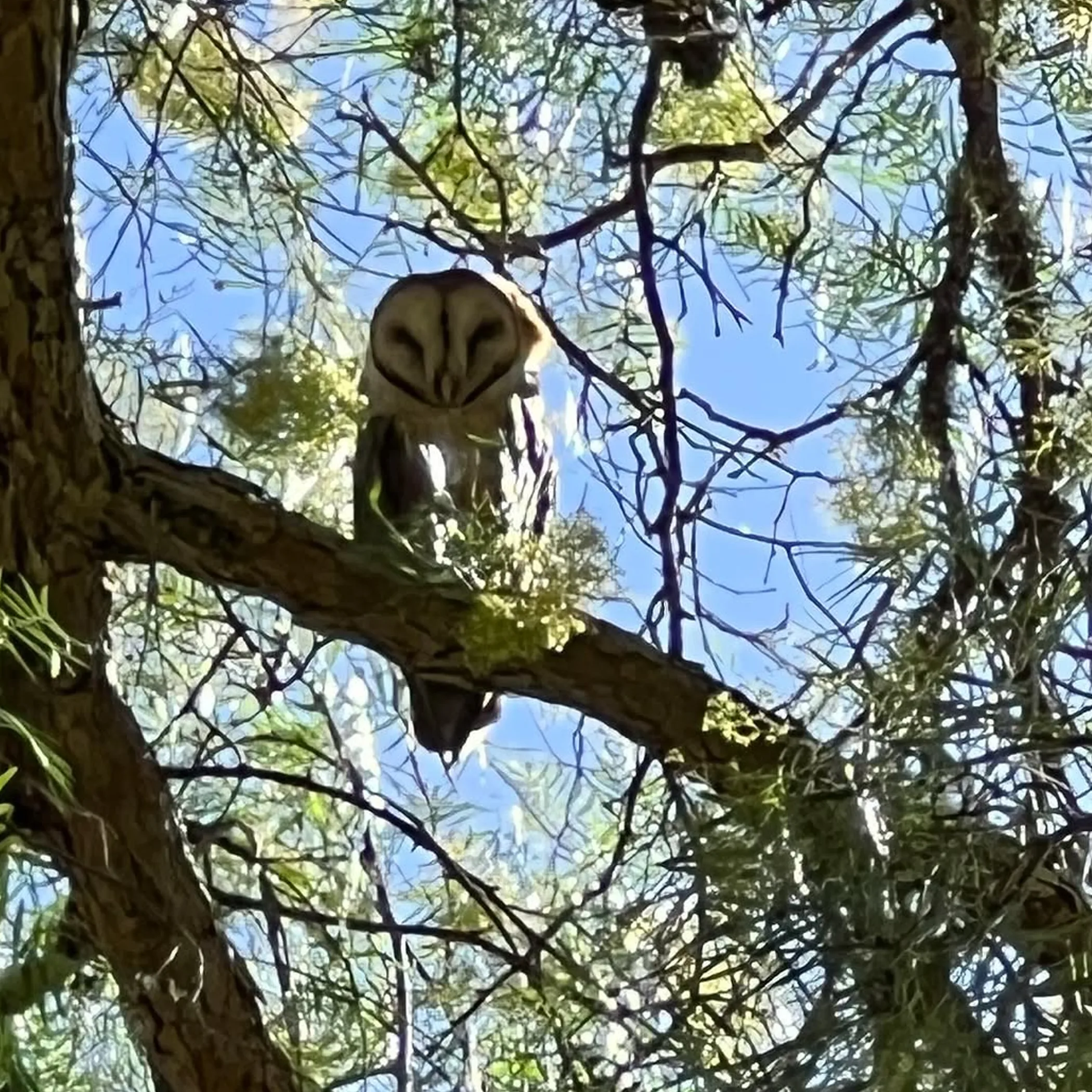
With its broad rural scenery and wildlife attractions, the Hunter Valley makes for a worthwhile tour of the wine roads. Sydney based travellers looking for more of a day out than a string of tastings will find it useful.
You cannot go past the Walkabout Wildlife Sanctuary as a companion to wine country. It is a good way to be introduced to the likes of dingoes, wallabies, koalas and kangaroos before making your way to the vineyards of Pokolbin and beyond.
Start with The Sanctuary
A self-drive day from Sydney is no small matter; the two to three hour drive either way, subject to the state of the roads and which suburb you set out from, will leave one fatigued. To be more at ease, especially with a vineyard lunch or some tastings on the agenda, put in an overnight in the Hunter Valley.
Make of it a morning at the sanctuary, have your lunch in the vicinity and then put in an appearance at a couple of cellar doors for a single day’s outing. You will want to sample the region’s Semillon and a Shiraz for something of a fuller counterpoint. A guide can see you through the day with less trouble, provided you check if access to the wildlife is part of the fee or not.
Allow Time For Farm Roads
Do not be deceived by the simplicity of Hunter Valley roads on paper. In practice they will eat up time with all the cyclists, slow moving traffic and photo opportunities. There is parking to be had at most wineries and the like, but come a busy weekend the spots near the better restaurants are at a premium.
I would suggest having a sober driver in mind before the first wine is poured. If that is not to be had, make arrangements for a private transfer or a tour. Do not count on a ride-share app to extricate you from a country car park at the end of the day; their service is not always to be found once you are between cellar doors.
Barossa Wildlife And What To Eat
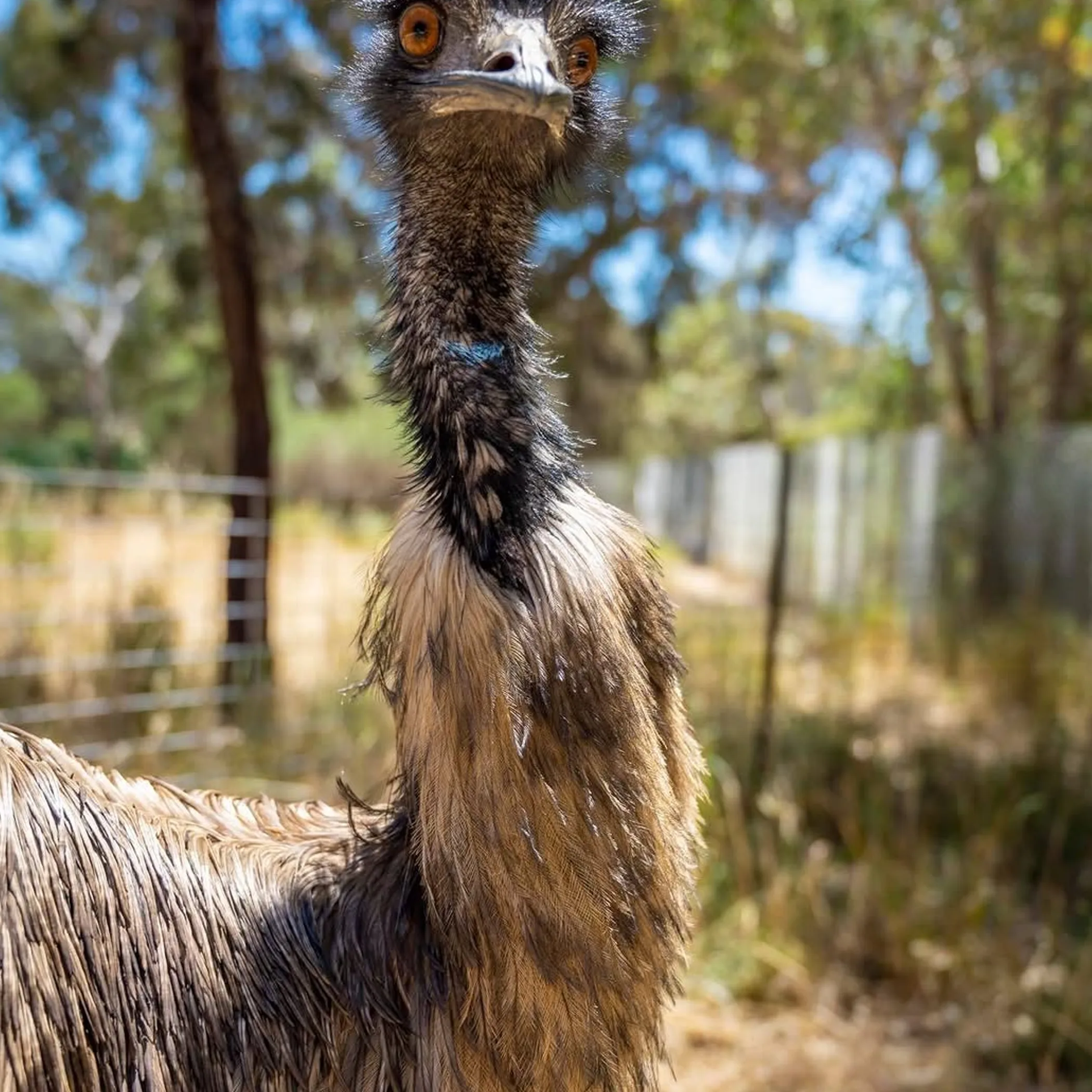
In the Barossa Valley the best approach is to consider the wildlife in the context of the day’s food and landscape. One is as likely to spot kangaroos and native birds in the open hills and along the roadside as one is to find a fine Shiraz and local cheese at the wineries, not to mention a long lunch.
Those who would rather a leisurely pace and good eating than a formal encounter with animals will do well with a Barossa Valley wildlife and wine tour. It is not a question of checking off species so much as having a view of the vineyard and the odd bit of wildlife to boot.
Put Lunch At The Centre Of Things
Reserve your lunch and put a wildlife stop and two or three tastings around it. That way you avoid the error of turning up at a cellar door on an empty stomach to put away a few wines in short order only to find the restaurant has been closed for the last 20 minutes.
You have a better shot at kangaroos in the early hours near the vineyards, but exercise caution on the country roads. Do not put yourself in an unsafe position to halt, and keep your distance for a photo; a kangaroo has a way of making a sudden move and a dented front bumper is costly.
An Extended Visit
While Adelaide is where one naturally puts down roots for the Barossa, spending a night or two in the valley affords greater latitude. Have a vineyard lunch, be back at your room before dark and there will be time for another winery the next morning.
Costs for meals, tours and wine are a function of the season and the operator. Figure on AUD 50 to 100 a head for a decent winery lunch, say, without the wine, and more for anything of a premium nature. But put in a call to confirm when you book, hospitality prices have a habit of changing quicker than a magpie with its eye on something.
Wildlife In The Margaret River Bushland
The experience is of a different order in Margaret River. With the forest, wetlands and coast adjoining the estates, one can make of a cellar door visit an occasion for birdwatching and marsupials.
Then again, Western Australia calls for some forethought. A route may appear brief on the internet but with the winding roads and stops you could be at it for the afternoon. Mobile reception is not what it is outside of town and the wineries are some distance apart.
Pick Your Focus
One day is enough for inland bushland or the coast, not both. Go for a guided experience or a reserve of some note and then on to a winery for a tasting and another for lunch. It is better to have time to take in your surroundings than be behind the wheel all day.
As for platypus, they are not something you can depend on being tacked on to a winery booking; they demand the right waterways and a certain quietude. Reptiles show themselves in the warmth but you will need to be wary of uneven ground and put on sun protection.
Seasonal Considerations
The warmer months will see more from the reptiles and spring is good for fresh growth and birdlife, though fire risk is higher. Be sure to look up any bushfire warnings. Further north in Western Australia the wet season and cyclones from November to April can put a crimp in your plans, but the climate in Margaret River is not the same as in the Top End or Kimberley.
One should not make the assumption that a wildlife encounter is appropriate for all, be they young children, senior travellers or those whose mobility is restricted. Prior to parting with your money for a tour, put some questions to the operator on such matters as the walking surfaces, availability of shade and toilets, seating and how far one has to go from the car park to where the viewing is done.
Animals in the Australian Vineyards
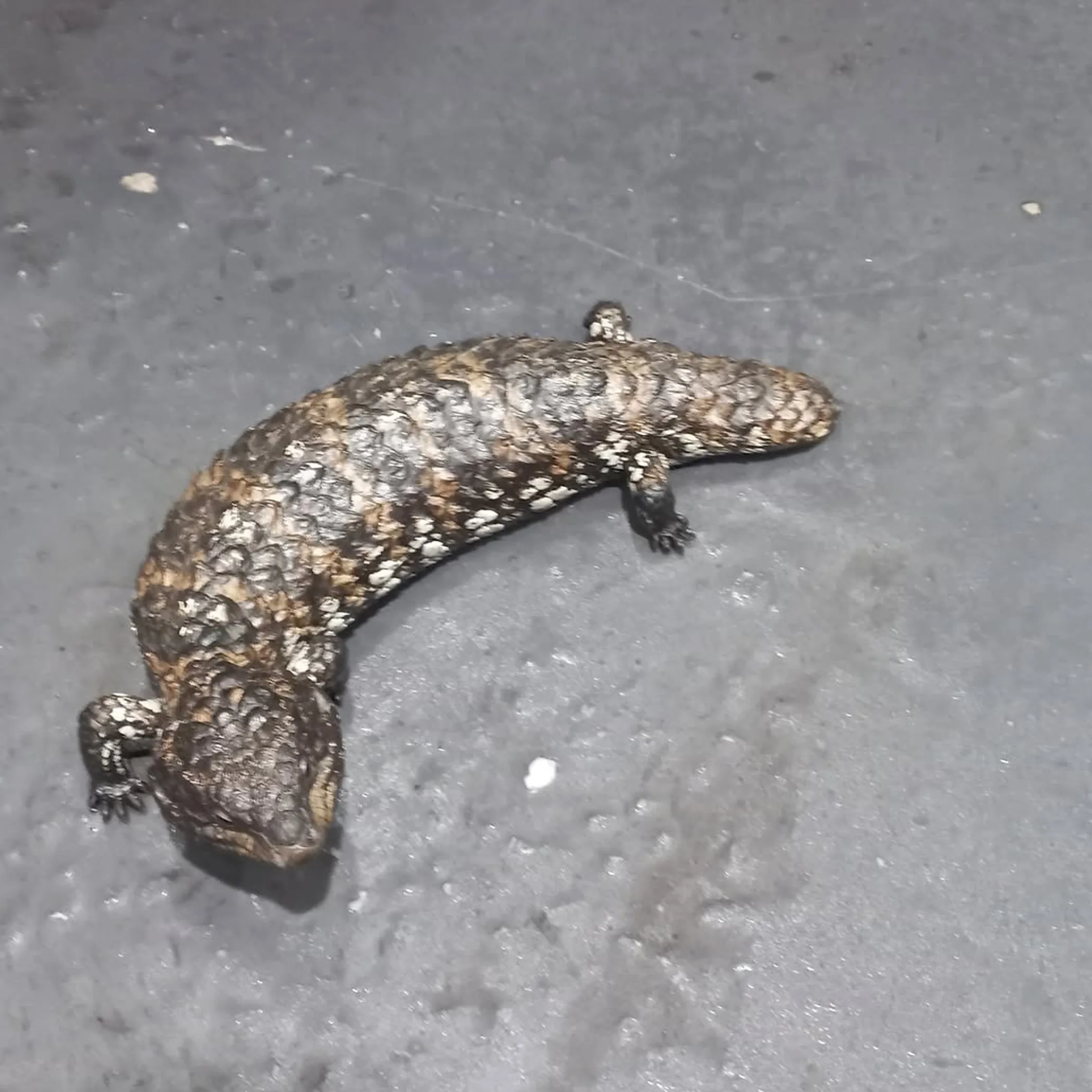
Think of vineyards as working properties, not an open-air zoo. While you might come across kangaroos, wallabies, wombats, emus, koalas, native and raptor birds, it is down to the habitat, the season, noise and temperature, and sometimes luck, whether you do.
Dingoes are to be found in the outback or protected bushland more so than in the wine districts proper. Platypus will be in the creeks and rivers where they can make a home. Reptiles put in an appearance on a warm day but for a koala you are better off at a sanctuary or with a specialist guide than traipsing among the vines.
Expectation and Reality
The expectation is that an animal will oblige and pose next to your glass. In reality it could be 80 metres off, making for the shade or obscured from view. The finest wine and wildlife experiences in Australia are ones that allow for observation and do not hold out the prospect of a contrived photo.
Do not feed or pursue any wildlife, touch it or have your flash going if it is going to upset them. Unless the operator gives leave for it, dogs are to be kept from wildlife areas. Heed the signage and remain on the track, giving a wide berth to any animal putting on a show of defence or a kangaroo with its young.
A Responsible Day Trip
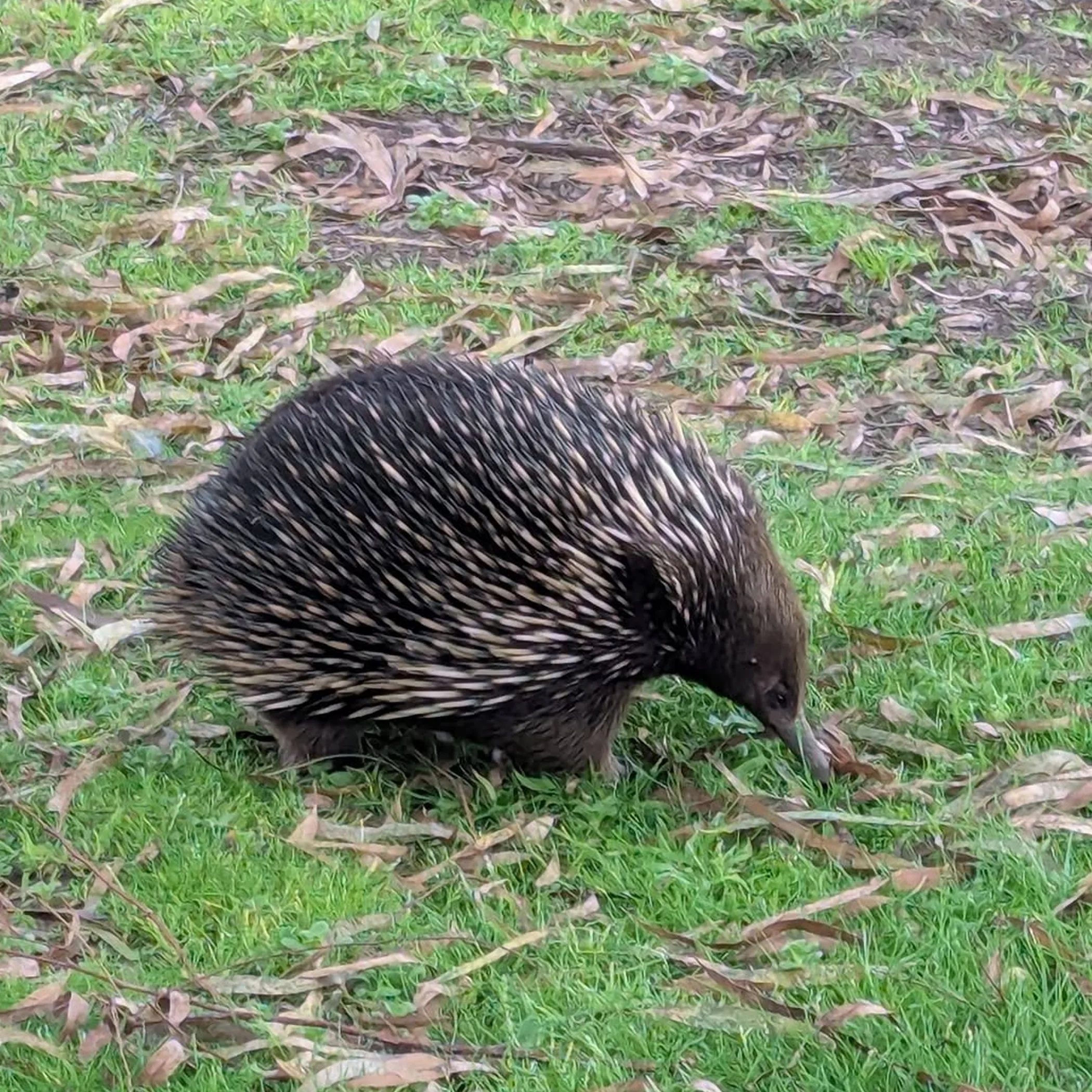
What makes for a sound winery and sanctuary tour is one with realistic timing and safe transport that does not compromise on animal welfare. For anyone visiting a reserve or sanctuary in Victoria the government’s own guidance is worth consulting.
Make sure the business is responsible; it should set out its viewing rules in no uncertain terms and not be in the habit of having you crowd or feed an animal for the camera. Enquire as to their animal-welfare policy and what is to be done should the weather put a stop to a track. Also verify accessibility.
Packing Checklist
- Take a water bottle, some sunscreen, a hat and something light for the rain.
- Shoes with a good grip for when the track is uneven.
- Something to repel the mozzies in the bush and by the creek.
- Phone charger, emergency numbers and directions that do not need a signal.
- Binoculars and a camera (flash off).
When booking a winery after a wildlife attraction, build in 30 minutes or so for parking and the like. Put in extra time if you have a wheelchair or small children in tow, are a slow walker or the tour bus has to make a number of pick-ups.
Safe Driving
Even if one feels up to it, do not get behind the wheel after a drink. With the winding roads and crossings, the cyclists and little in the way of public transport in these parts, it is less costly to have a designated driver or book a transfer than to face a fine or a police officer on the side of the road.
As for access, check with the winery and sanctuary on parking. You will need to book for a seated tasting or a lunch in the vineyard at some cellar doors. And see if prams are suited to the paths, if there are accessible toilets and if children are allowed in the tasting room.
At the Cellar Door
The staff here can point you to regional products of interest, a more sedate time for a tasting or a spot of wildlife nearby. Let them know if you are in the mood for a Shiraz or Semillon, some dessert wine or local cheese and put in a request for a tasting at a pace that does not preclude enjoying the day ahead.
A vineyard tasting in the company of wildlife has an appealing simplicity to it, yet in practice one is looking at two distinct bookings: for the wine and for the wildlife. Make of them what they are and the day will be more agreeable for all concerned, from the animals to your travelling companions and the staff.
Who Will Enjoy This?
Couples, small parties, foodies, photographers and those who like to have a free rein outdoors on a day trip will find these to their liking as will families with older children. Not so much anyone wanting an itinerary that is tightly packed and car-free, a weather-proof affair or to be assured of close quarters with wild animals.
An inexperienced spotter would do well to opt for a guided tour of a reserve or sanctuary rather than go it alone. A seasoned bushwalker may put in the longer tracks but when there is heat or storms to contend with, or the terrain is unkind, safety must take precedence over a winery call. Even where fire danger is a factor.
Frequently Asked Questions
What makes for an animal experience of interest?
One might consider a dawn drive in search of kangaroos before breakfast, some birdwatching in the bushland around the vineyards, a conservation-minded encounter or a visit to the cellar door and a wildlife sanctuary under guidance. Places such as Healesville Sanctuary, Warrnambool Wildlife Encounters or Walkabout can put you in touch with native species in a controlled environment, depending on availability and hours of operation.
Is it possible to come across sloths in Australia?
Only in captivity at certain zoos; you will not find them in the wild. They are a creature of Central and South America. Do not make the mistake of expecting to see one at an Australian wildlife sanctuary or vineyard.
What does Western Australia have that is unique?
You will not easily find another compact region with the mix of coast, wetlands, forest and wine that is on offer. Margaret River is a case in point where one can combine a boutique winery with coastal wildlife, reptiles and a walk in the bush. It is wise to enquire as to local conditions first off, in times of severe weather or fire risk.
Animal experiences in NSW?
The Hunter Valley lends itself well to a sensible blend of the two. An overnight from Sydney allows for a morning at Walkabout and then on to a vineyard lunch and some good Semillon or Shiraz at the cellar doors.
Do the tours cater to families?
For the most part yes, though you should look into the fine print on alcohol service, walking distances and the like prior to making a booking. A family will generally be better served by putting the wildlife in first and keeping the winery to a single, unhurried tasting as opposed to spending the whole afternoon at it.
Leave some to chance
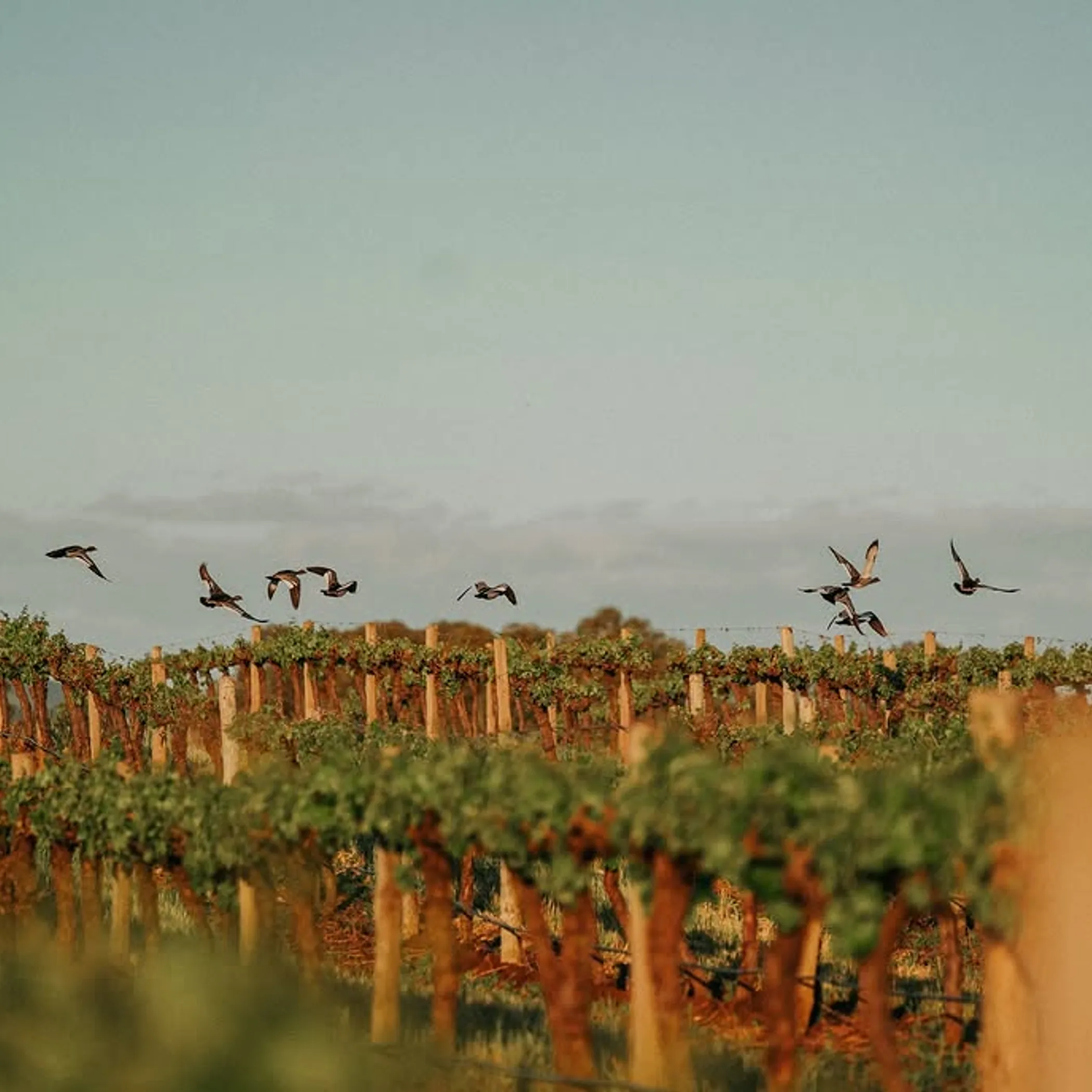
When it comes to wildlife at an Australian winery, plan the important bits and let the rest be. Pick a region and a solid wildlife experience to suit your means of transport, make your cellar door reservation and allow for the vagaries of traffic and weather and for an animal to do as it pleases.
Wine country from Victoria and New South Wales through to the south and west of the state is about more than a flight of tastings. There are local stories, food and bushland and an opportunity to observe the natives without any undue pressure. A far superior memento to a photo of poor quality taken with a glass in hand.
